


CG - Leadzone
CG - Leadzone
Hazards
Predators in CG - Leadzone

Depth Range
Landmarks in CG - Leadzone
4CG - Leadzone Ecological Reports
Coral Gardens Ecology
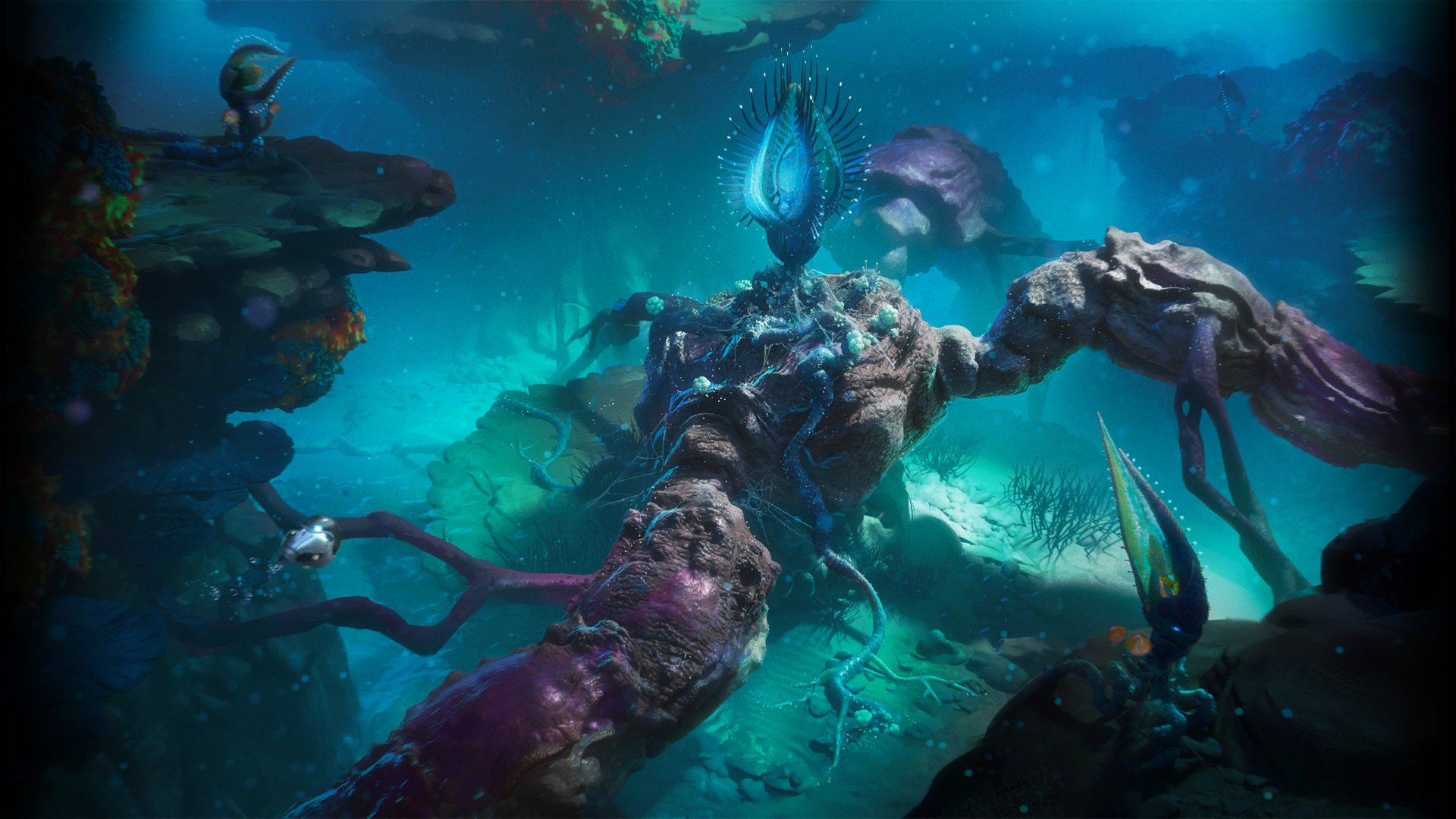
Coral Gardens ecological performance report. Level 0 —Energy Input: 100% Sunlight. Limited hydrothermal vent activity. Level 1—Primary Producers: 7% (target 10%) Coral domes, kelps, plankton and some sponges convert sunlight to biomass. This level is SHORT 3% (-30% ERROR) Level 2—Foragers: 1.2% (target 0.7%) Halfmoons, geordies, coral crabs, hammerheads, sting feeders such as raions, and filter feeders such as sponges or tunicates prey on kelp, algae, plankton and coral. This level is OVER 0.5% (+71% ERROR) Level 3—Carnivores: 0.13% (target 0.12%) Houndgar, nibblers, marrowbreaches and other predators feed on Level 2 organisms (and in some cases each other). This level is OVER 0.01% (+8.3% ERROR) Basement—Decomposers and recyclers: 1.5% (target 0.7%). This level is OVER 0.8% (+114% ERROR) Rotsacs, necrolei, nibblers, and other filter feeders feed on dead matter. They provide additional prey for Level 2 and 3. Error analysis: Due to unknown ecological stress, there is not enough Level 1 production to feed the rest of the ecosystem. Yet Level 2 is overproducing. The difference can be explained by an excess of basement decomposers, who are fed by dead matter flowing in from outside the ecosystem. Conclusion: The ecosystem is operating at a loss and is overdue for a dieback. It is sustained only by the death and decay of other ecosystems. Overactive decomposers are a threat to oxygen levels.