WARDOGS Ban Wave Explained: How 185,000 Cheaters Got Caught
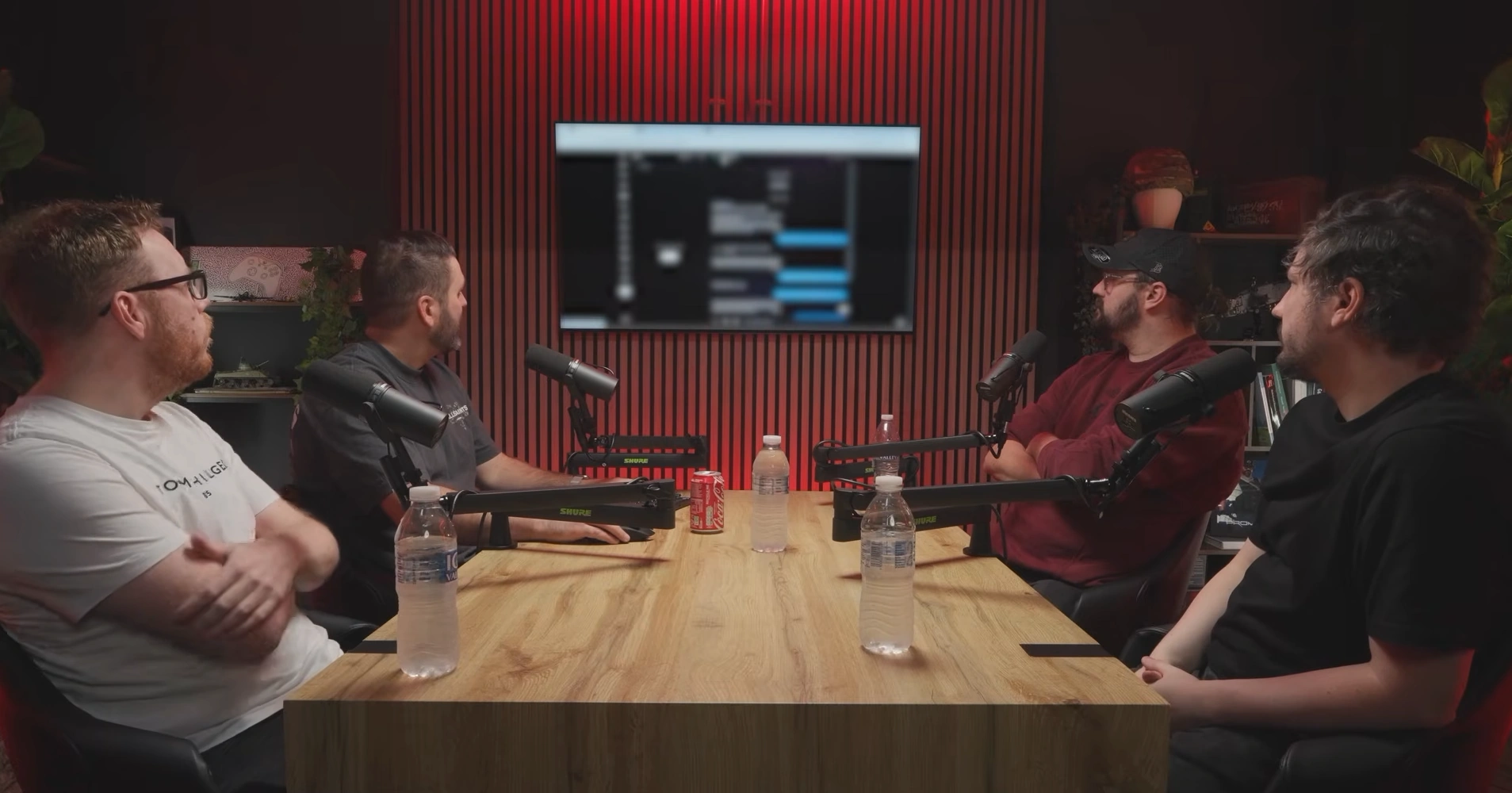
The WARDOGS ban wave removes about 185,000 accounts, roughly 4.6% of the nearly 4 million copies sold, ahead of Season 3 on November 12, 2026. BULKHEAD's developers explained how they caught those accounts in THE HOTZONE episode 2, "Anti Cheat", published November 10, 2026.
Everything below comes from that episode unless stated otherwise, recorded shortly before the wave went out. We have not tested the anti-cheat ourselves, so nothing here is presented as hands-on.
What the ban wave covers
The wave bans more accounts than WARDOGS has Steam reviews, which the team put at about 150,000.
Season 1 ended with about 10,000 bans. The jump comes from data: the studio expected two years to gather enough to ban with confidence, but 4 million copies in around 60 days got it there far sooner.
The wave lands just before the Season 3 wipe, covered in our Season 3 launch breakdown.
Who | What happens | Status |
|---|---|---|
Aimbot, wallhack, and triggerbot users | Banned | In this wave |
Farmers and exploiters | Permanent ban, with cash, unlocks, gold bars, and XP reset | In this wave |
Players who paid farmers for gold bars or boosts | Permanent ban | In this wave |
Auto clicker users with no other flags | Not banned, but the flag stays on the account | Current policy |
Smurf accounts of banned players | Banned through hardware ID | Announced, not confirmed live |
Main accounts linked to a cheating smurf | Banned | Announced, not confirmed live |
Trust score servers | Server minimums based on account trust | Planned |
How the anti-cheat spots cheaters
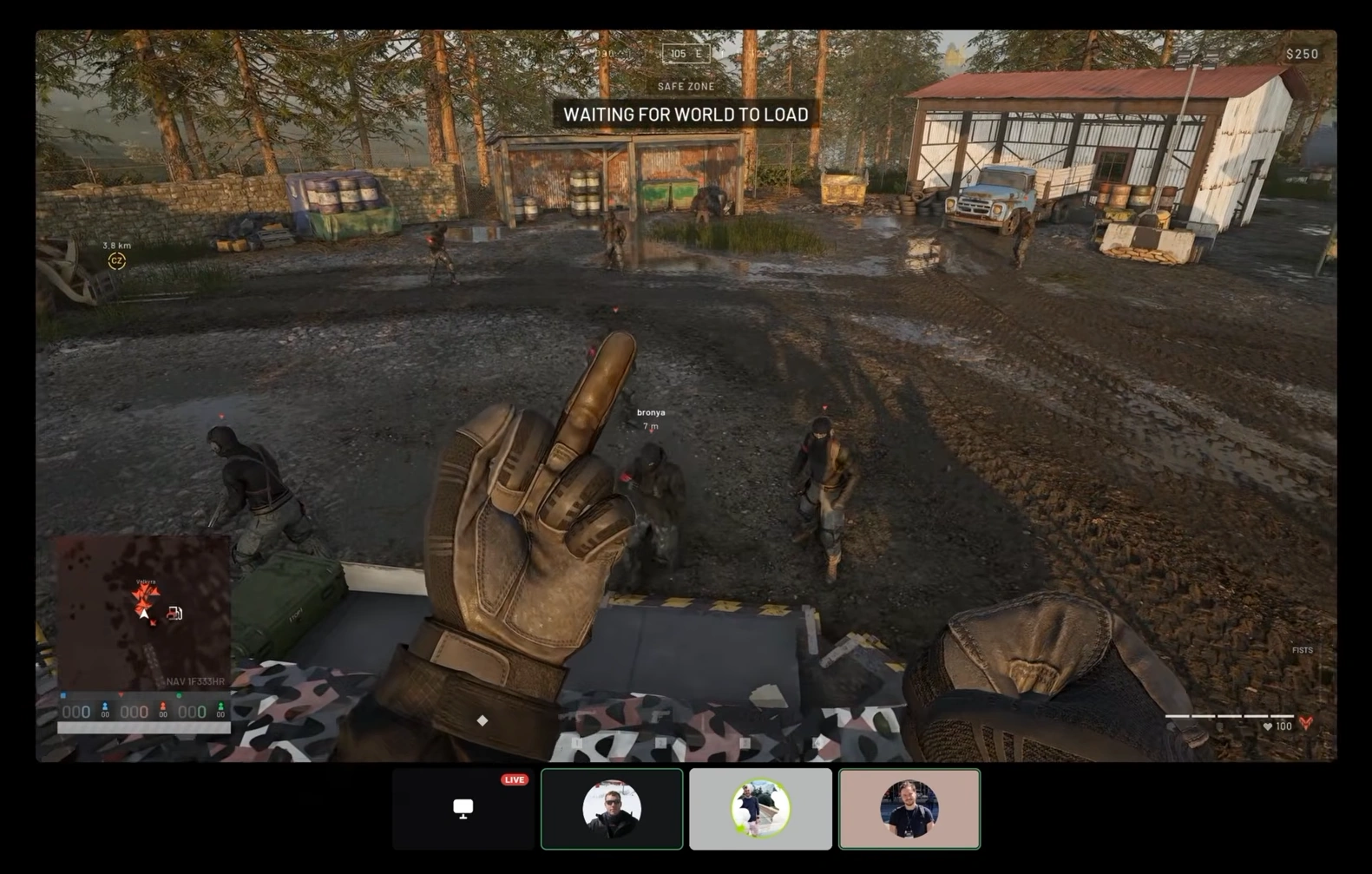
WARDOGS compares what your hardware does with what the server records, then checks the result against a baseline built from millions of legitimate players. No single signal bans you, since each account builds a case file of flags over time.
Hardware input vs. server: The anti-cheat reads mouse input at hardware level and lines it up with the hits and kills the server records. Shots that land without matching physical input stand out.
Session replays: Since the start of Season 2, the team can replay every session and watch a flagged player across several days. Staff use replays to confirm a case before acting on it.
Test bans: New rules run as simulated bans first, and staff check the flagged players by hand before a rule goes live. BULKHEAD says its rules work at the 99.8 to 99.9 percentile.
Behavior tells: Snapping onto a driver instead of the car, tracking players through several buildings, waiting with the crosshair exactly where an enemy crests a hill, or pre-firing into a wall right where a hidden head is all build the case. So does reloading while staring at a wall, which the team says legitimate players almost never do.
Player reports: Reports never ban anyone on their own, but a cluster of them flags an account for review. The team calls reports one of the most useful things you can do.
Behind this sit three main anti-cheat providers and AI-assisted dashboards that pull every data stream into one view. The developers say building that view would once have taken a team of six around a year.
Headshot rates show how cheaters adapt
Early Season 1 cheaters landed around 80% of their shots on the head. After the first bans, they kept cheating at lower settings.
Group | Headshot rate |
|---|---|
Early Season 1 cheaters | About 80% |
Later Season 1 cheaters | 60%, then 50%, then 45% |
Season 2 cheaters | Mostly 24% to 36% |
Top streamers | About 12% |
A dialed-down cheat still sits at two to three times the rate of the best legitimate players. Because each account's history is kept, the team can also see when someone ran a cheat hard early and tuned it down later.
Auto clickers and triggerbots
An auto clicker on its own is not bannable, BULKHEAD says. What gets you banned is a triggerbot, which fires for you the moment your crosshair sits on an enemy.
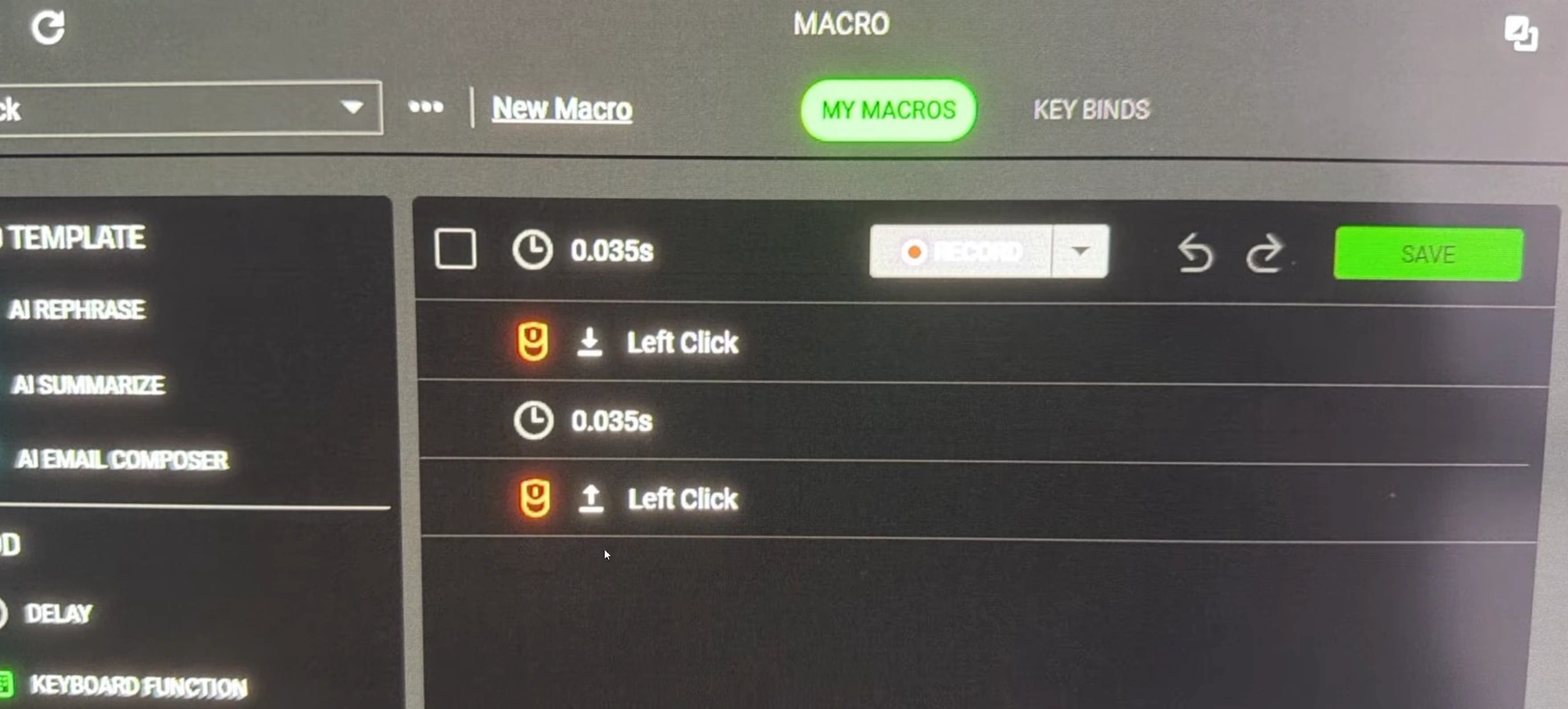
An auto clicker still leaves a flag in your case file, and two or three other suspicious flags on top can tip it into a ban. The team's advice to legitimate players is to turn the macros off.
Example Scenario: You set your mouse software to spam-click into a squad at the start of each match, then leave it running while you fire the semi-auto Bushmaster M17S. The squad clicks are harmless, but shots that fire the instant your aim crosses a target look like a triggerbot, which is the pattern BULKHEAD described banning a player for.
Flight sticks and other devices are recognized, so ordinary hardware is not the problem. When a common network card shipped without a unique hardware ID, the team says the issue stood out in the data straight away.
Farmers, exploiters, and gold bar buyers
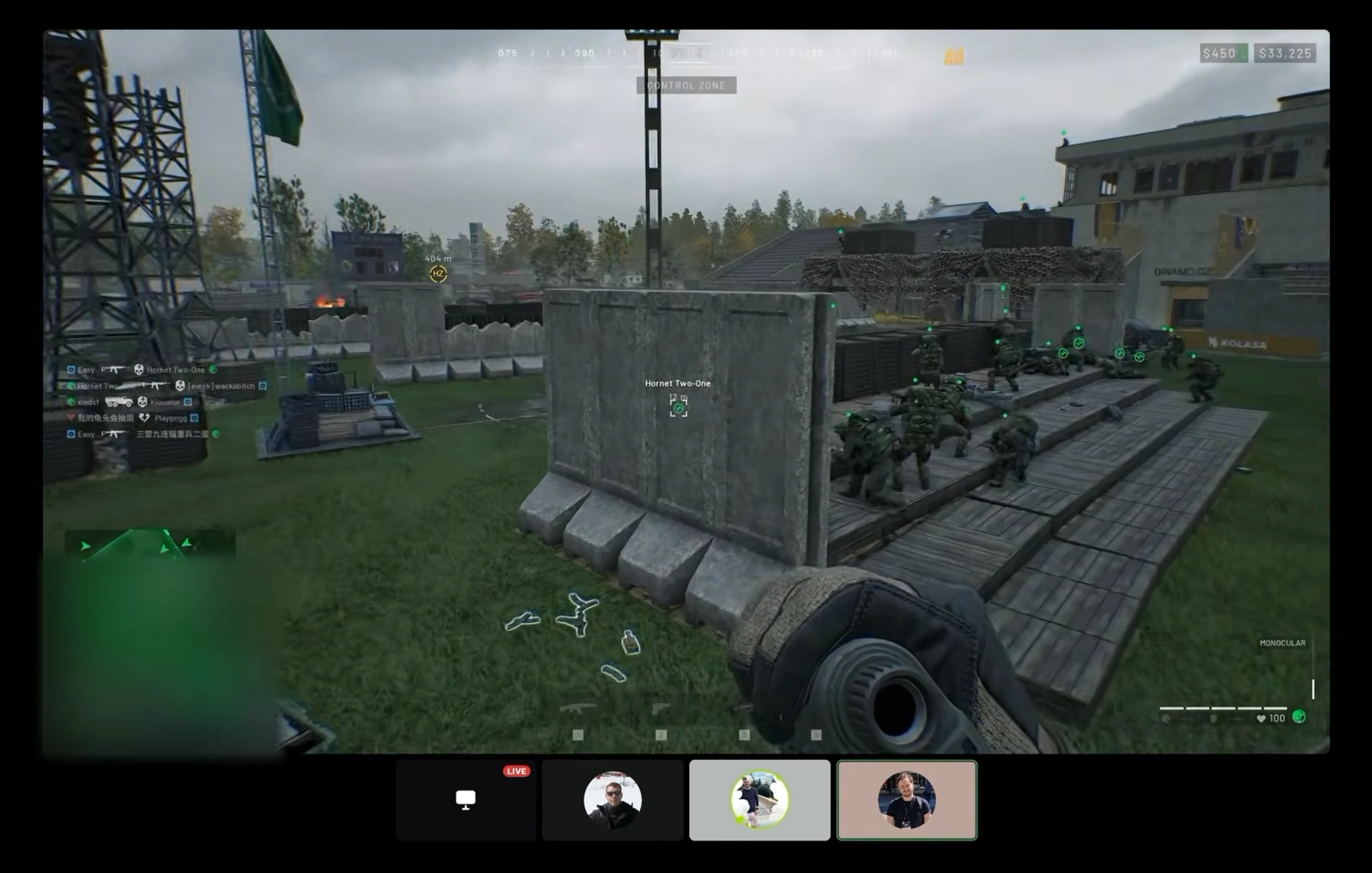
Organized farming servers ran revive, spotting, and kill loops to mint cash and XP, with their own staff directing who played on which faction. BULKHEAD says these accounts are banned permanently and wiped back to nothing.
The same applies if you paid a farming group for gold bars or a boosted account. You can follow legitimate gold bar prices on the WARDOGS Gold Bar Market instead.
Smurf accounts and hardware bans
BULKHEAD plans to ban smurf accounts too, because a new account is linked back to you by hardware ID after a short amount of play. The link also runs the other way, so a cheating smurf can take your main account with it, which the team calls your "digital bloodline."
This was announced on the podcast but is not confirmed as part of the current wave, and it puts every account on a shared PC at risk.
What the trust score will change
The trust score is planned, not live, and works like a credit rating for your account. Coverage of the Season 3 announcement places it in 2027.
Starting score: Everyone starts at 100 in BULKHEAD's example.
Server minimums: Server admins and BULKHEAD can set a minimum trust score per server, so high-trust, low-trust, and no-trust servers can run side by side.
Security settings: Turning on features such as Secure Boot and TPM raises your score. BULKHEAD has not published how many points each one adds.
Play Safe ID: An optional ID check run by a third party, not BULKHEAD, that returns only a verification token. BULKHEAD's example gives it 20 points and says it will never be mandatory.
Lower scores instead of bans: BULKHEAD may lower a suspicious account's score and send it to no-trust servers rather than ban it.
Restrictions for flagged accounts: Accounts the system distrusts may have to turn on TPM and Secure Boot to play at all.
Example Scenario: A community server you play on sets its minimum to 120, and you sit at the default 100. Under BULKHEAD's example, a Play Safe ID token closes that gap on its own, or you can work toward it through security settings once their point values are published.
The developers admit that Secure Boot and TPM alone do not stop cheaters, since the cheaters they found had both turned on. The newer threat is DMA cheats, which read game memory from separate hardware, and only 30% to 40% of players have the latest protection against them enabled.
By their estimate, forcing VALORANT-level strictness on everyone would cost WARDOGS about 60% of its players, which is why the score is opt-in.
What this means for you
If you play legitimately, the ban wave should not touch you, and a few habits keep it that way.
Turn off firing macros: Anything that clicks for you adds a flag to your case file, even when it is harmless on its own.
Report suspected cheaters: Reports put an account in front of the team for review. Mortar strikes from a team you never saw are part of the sandbox, and our WARDOGS artillery calculator shows the ranges a crew can hit you from.
Do not buy progression: Bought gold bars and boosted accounts are banned and wiped along with the farmers.
Check Secure Boot and TPM: Both are set in your PC's BIOS or UEFI, and turning them on will raise your trust score once that system arrives.
Example Scenario: An enemy drops you with a long-range headshot the moment you crest a hill. One kill like that is skill, but the same player catching you at every crest with the crosshair already waiting is the pattern BULKHEAD described, so report it and let the replays decide.
FAQ
How do I appeal a WARDOGS ban?
Coverage of the ban wave points to the WARDOGS Support bot on the official Discord. Offering logs or a screen share does not help, since the team says it already has the replays and input data it needs.
Will BULKHEAD tell me why I was banned?
Usually not. The team says confirming a reason, such as an auto clicker, would hand cheaters a ready-made excuse to copy in their own appeals.
Does the Season 3 wipe remove bans?
BULKHEAD has not said that a season wipe lifts bans, and the hardware ID linking described above follows you to new accounts. Treat a ban as carrying over unless BULKHEAD states otherwise.
Can banned players still review WARDOGS on Steam?
Yes. The developers say Valve lets banned players keep reviewing the game, so reviews on the WARDOGS Steam page can include accounts that were later banned.
Do I need Secure Boot or TPM to play WARDOGS?
Not as of November 11, 2026. BULKHEAD says accounts it flags may have to turn them on in future, but it does not plan to require them for everyone.